Getting Started
How to Start a Commercial Cleaning Business in 2026
Sources: SBA · U.S. Bureau of Labor Statistics · LaunchLoop owner-operator research panel
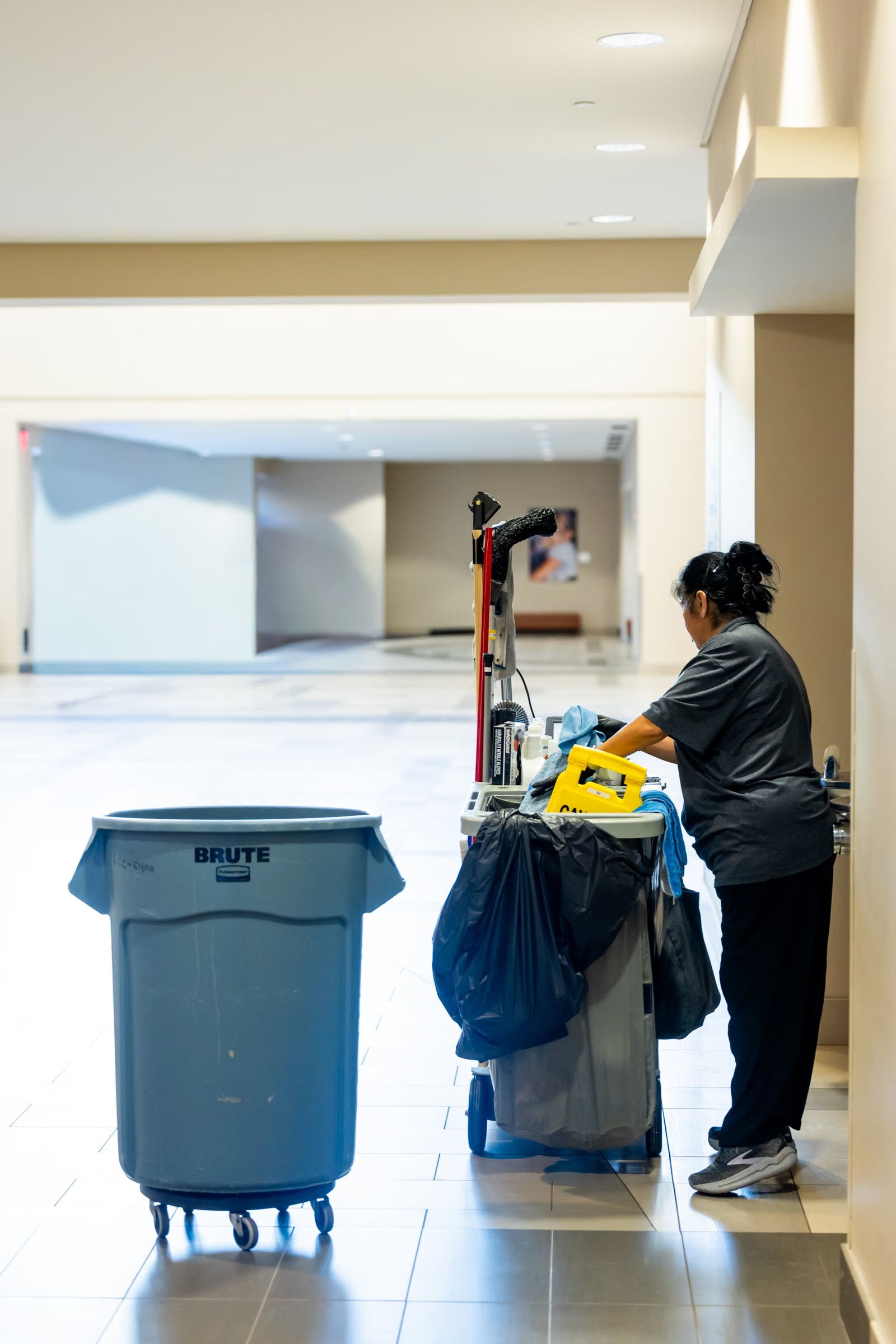
Starting a commercial cleaning business, often called a janitorial service, offers a robust path to entrepreneurship for many. If you're wondering how to start a commercial cleaning business, know that it involves more than just cleaning efficiently. This guide will walk aspiring owner-operators through the practical steps, from defining services to securing your first clients, all while focusing on realistic expectations and costs. Unlike residential cleaning, commercial accounts typically involve larger contracts, recurring revenue, and require specialized equipment and bonding. Understanding the landscape, regulations, and financial commitments upfront is crucial for long-term success. We'll cover everything from initial startup capital, which could range from $2,000 to $15,000 depending on your approach, to establishing your legal entity and marketing strategies. The goal is to equip you with the knowledge to build a sustainable and profitable business, avoiding common pitfalls and setting you up for steady growth.
In this guide
Choose Your Niche: What Services Will You Offer?
When you start a commercial cleaning business, niching down is smart. Instead of a generic "janitorial services" offering, consider specializing. For example, focusing on medical office cleaning requires specific HIPAA training and disinfection protocols, allowing you to charge premium rates, possibly 15-25% higher than general office cleaning. Another niche could be post-construction cleanup, which demands heavy-duty equipment and debris removal expertise. Or, perhaps you focus on small to medium-sized professional offices (lawyers, accountants) that need nightly or weekly services. Avoid trying to serve everyone. Select 2-3 specific service types where you can excel, like floor stripping and waxing, window cleaning, or green cleaning solutions. This specialization helps you target your marketing efforts and build a reputation as an expert in a particular area, commanding better pricing and client loyalty. For instance, a small office might pay $250-$500 per month for general cleaning, while a medical office could be $800-$1,500 due to specialized needs.
Realistic Startup Costs for Your Cleaning Business
Understanding the financial commitment is key when figuring out how to start a commercial cleaning business. You will need capital for essential items. Expect to spend $500-$1,500 on initial licenses, permits, and business registration. Insurance, including general liability and bonding, can run $75-$150 per month. Equipment and supplies, such as vacuums, mops, buckets, cleaning chemicals, and PPE, might cost $1,000-$5,000 initially, depending on the scale and niche. Marketing materials like business cards, a basic website (a single landing page can cost $300-$800), and uniforms could be an additional $300-$700. Factor in a cash reserve of $1,000-$3,000 for unexpected expenses or to cover operating costs during your first few slow months. A realistic total startup budget for a lean operation could be $3,000-$8,000. If you plan to lease a small office or invest heavily in advanced equipment from day one, those costs could push your initial investment to $10,000-$15,000.
Data table
Estimated Startup Costs for a Lean Commercial Cleaning Business
| Category | Estimated Cost Range (USD) | Notes |
|---|---|---|
| Business Registration/Licenses | $100 - $500 | State and local fees |
| Initial Insurance & Bonding | $300 - $800 | First 6-12 months liability and bond |
| Basic Cleaning Equipment | $1,000 - $3,000 | Vacuum, mop, buckets, cloths, PPE |
| Initial Cleaning Supplies | $150 - $400 | Multi-purpose, glass, disinfectant, trash bags |
| Marketing Materials | $200 - $500 | Business cards, basic website, flyers |
| Legal/Professional Fees (Optional) | $0 - $500 | LLC setup guidance, initial consultation |
| Operating Cash Reserve | $1,000 - $3,000 | Buffer for initial expenses and slow periods |
Licenses, Permits, Insurance, and Legal Setup
This is a critical step when you want to start a commercial cleaning business. First, register your business name with your state's Secretary of State or equivalent office. Choose a legal structure: Sole Proprietorship, LLC, or S-Corp. An LLC offers personal liability protection and is often recommended, costing $100-$500 for state filing fees. Obtain an Employer Identification Number (EIN) from the IRS, which is free. Check with your city or county for specific business licenses or occupational permits; these can range from $50-$200 annually. Insurance is non-negotiable. General liability insurance protects against property damage or injury claims, typically costing $400-$800 per year for a new business. Bonding is also essential, especially for commercial clients, as it protects clients if your employees steal or damage property. A basic bond costs $150-$400 annually. If you plan to hire, workers’ compensation insurance is mandatory in most states. Consult a local attorney for precise state-specific requirements.
Essential Equipment and Supplies List
To effectively start a commercial cleaning business, you'll need the right tools. Your core equipment list should include commercial-grade vacuums (upright and backpack models, $200-$600 each), mops, buckets, and wringers ($50-$150). Invest in quality microfiber cloths and sponges ($50-$100 for a starter pack). Cleaning chemicals need to be robust: all-purpose cleaner, glass cleaner, floor cleaner, disinfectant, and restroom sanitizers. Budget $150-$300 monthly for these supplies. Don't forget personal protective equipment (PPE) like gloves, masks, and safety glasses, costing about $50-$100 annually per employee. For specialized services, consider a floor buffer or polisher ($500-$2,000), a carpet extractor ($400-$1,000), or a pressure washer ($200-$500) if you plan on exterior cleaning. Initial estimates for a basic setup should be around $1,000-$2,500. As you grow, you can add more specialized equipment based on client demand and service expansion, allocating $200-$500 per month for ongoing equipment maintenance and replacement.
Chart
Typical Startup Cost Breakdown
Cost Category → Amount ($)
Pricing Your Commercial Cleaning Services
When pricing your services after you start a commercial cleaning business, you need a clear strategy. Avoid undercutting your value. Most commercial cleaning is priced per square foot, per hour, or per job. A common range is $0.05 to $0.20 per square foot for basic office cleaning. For example, a 5,000 sq ft office might be $250-$1,000 per month. Hourly rates typically range from $35-$60 per cleaner, depending on your region and the complexity of the job. For recurring contracts, offer tiered pricing: weekly service at $0.15/sq ft, bi-weekly at $0.18/sq ft, and monthly at $0.20/sq ft. Always factor in your labor costs (including taxes and insurance), supply costs, overhead, and a healthy profit margin (aim for 20-30%). Get three quotes from competitors for a similar office to gauge the market. Clearly define what is included in each service package to prevent scope creep. For a small office with a monthly contract, you might earn $400-$800, while a larger facility could bring in $2,000-$5,000+ per month.
Getting Your First 10 Commercial Cleaning Customers
Securing your first clients is crucial when you start a commercial cleaning business. Start local. Network with other small business owners at chamber of commerce meetings or local BNI groups. Often, your first few clients come from referrals. Cold calling small businesses (doctors' offices, dental clinics, real estate agencies, law firms) in your target niche can be effective. Prepare a concise pitch highlighting your specialization. Utilize online directories like Yelp for Business and Google My Business; optimize your profile with excellent photos and service descriptions. Offer introductory discounts like "20% off the first month's service" to entice new clients. Direct mail campaigns to specific business parks can also yield results, particularly for smaller office spaces. Partner with property management companies; they often manage multiple commercial properties and need reliable cleaning vendors. Focus on providing exceptional service to your first few clients, as positive testimonials and referrals will be your most powerful growth drivers.
Key takeaways
- →Specializing in a niche (e.g., medical offices, post-construction) can increase your profitability and marketability.
- →Expect startup costs between $3,000 and $8,000 for a lean operation, covering legal, insurance, and initial equipment.
- →Secure proper licensing, permits, and essential insurance (general liability, bonding) before taking on clients.
- →Invest in commercial-grade equipment and quality cleaning supplies for efficiency and professional results.
- →Price your services competitively, factoring in labor, supplies, overhead, and a target profit margin of 20-30%.
- →Focus on local networking, online visibility, and strategic cold outreach to acquire your initial client base.
Frequently asked questions
Do I need a license to start a commercial cleaning business?
Yes, almost universally. You'll need to register your business with your state and obtain local city/county business licenses or occupational permits. An EIN from the IRS is also required. Ensure you secure general liability insurance and a bond to protect both your business and your clients from potential issues like theft or damage.
How much money can I make running a commercial cleaning business?
Income varies significantly based on scale and efficiency. As an owner-operator, you could realistically generate an annual pretax income of $40,000-$70,000 after covering operational expenses in your first year or two with a solid client base. Larger businesses with employees can scale much higher, potentially into six figures, as they acquire more contracts.
Can I start a commercial cleaning business with no money?
Starting with literally no money is challenging due to the need for insurance, basic supplies, and legal registration. However, you can start very lean by offering basic services initially, aggressively saving initial client payments to reinvest, and securing essential used equipment. A minimum of $1,000-$2,000 is still recommended for legal and insurance necessities.
Should I get insured and bonded?
Absolutely, getting insured and bonded is critical for a commercial cleaning business. General liability insurance protects you from claims of property damage or bodily injury. Bonding protects your clients from potential theft or damage caused by your employees. Most commercial clients will require both before signing a contract, as it establishes credibility and trust.
How do I find my first employees and what’s their pay?
Finding your first employees can be done through local job boards, community centers, or referrals. For pay, entry-level commercial cleaners typically earn $15-$20 per hour, depending on the region and job complexity. Ensure you account for payroll taxes, workers' compensation, and any benefits in your pricing structure to maintain profitability and legal compliance.
What's the best way to get recurring contracts?
The best way to secure recurring contracts is by delivering exceptional service consistently. Focus on clear communication, reliability, and attention to detail. Offer competitive but profitable pricing, and consider loyalty programs or incentives for long-term commitments. Actively solicit testimonials and referrals from satisfied clients, as these are powerful tools for building trust and attracting new business.
What are common mistakes new owners make?
New owners often make several common mistakes, including underpricing their services to win bids, leading to thin margins. Neglecting proper insurance and bonding can expose them to significant risks. Another pitfall is failing to niche down, trying to serve too many client types with generic offerings. Poor employee screening and lack of consistent quality control also harm reputation and client retention.
Try this in your city
Same playbook, localized for pricing, licensing, and demand in these markets:
Make it official and keep income steady
Tools for the paperwork step and for steady pay while your first customers come in.
Some links below are affiliate links. If you sign up or buy, LaunchLoop may earn a commission at no extra cost to you. It never changes what we recommend or how we rank anything. How this works.
Bizee forms your LLC and can add an EIN, registered agent and a virtual business address so your home address stays off public records.
Compare Bizee LLC packagesHarbor Compliance handles registered agent service and business license research for regulated work.
See Harbor Compliance registered agent
Keep a steady paycheck while your first customers come in. FlexJobs lists screened part-time, remote and freelance jobs, so you can build the business without giving up income.
Job listings from Careerjet.
Ready to turn this guide into a real launch?
Get a free, personalized launch plan for your getting started business — your city, your budget, your first 30 days. Takes about 2 minutes.
Build my free plan