Marketing
How to Get Cleaning Clients Fast (10 Proven Channels for 2026)
Sources: SBA · U.S. Bureau of Labor Statistics · LaunchLoop owner-operator research panel
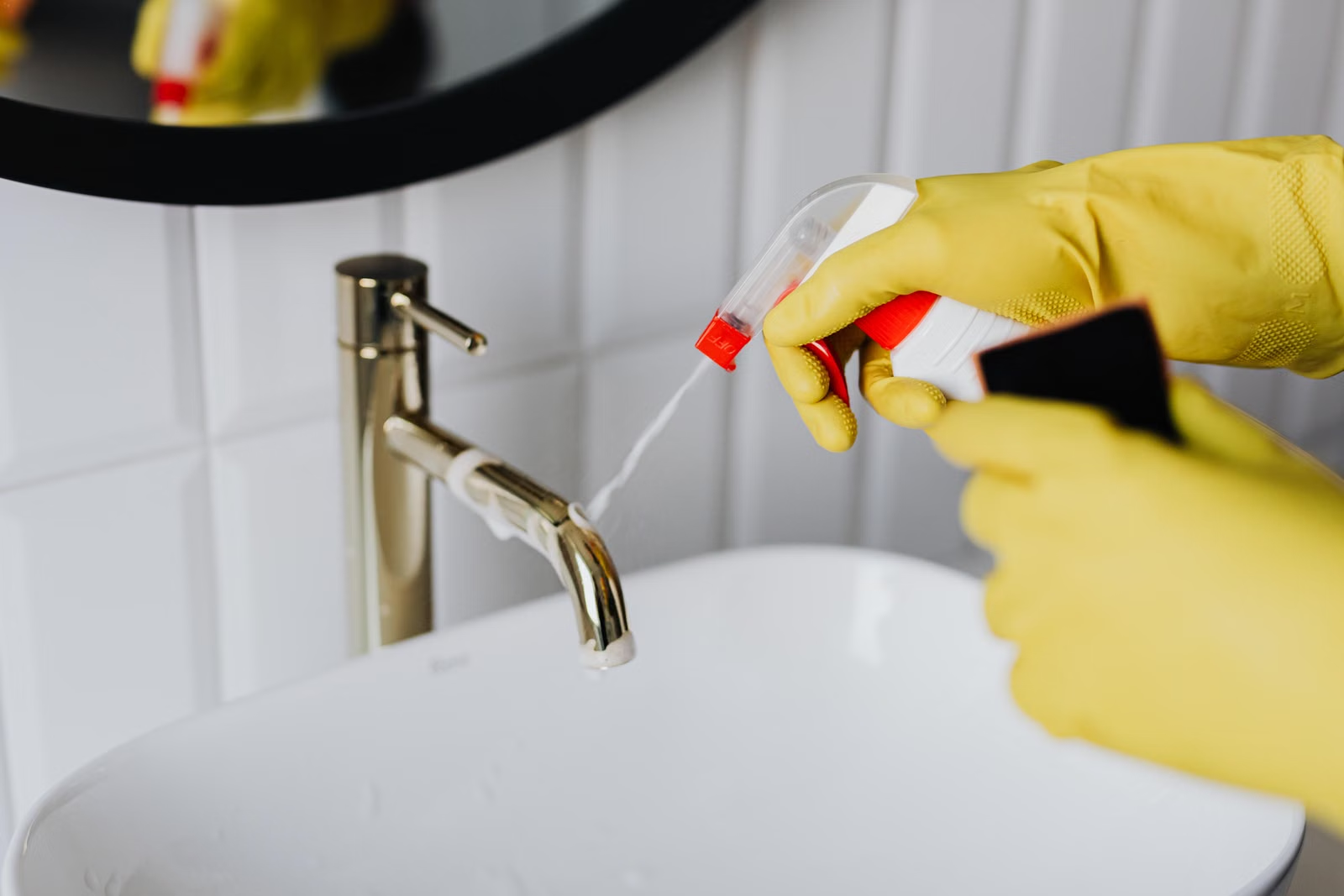
Starting a cleaning business requires a strategic approach, especially when figuring out how to get cleaning clients. This guide provides aspiring owner-operators in the U.S. with practical, no-fluff steps to secure both residential and commercial cleaning contracts. We will cover everything from niche selection and realistic startup costs to legal necessities, equipment, pricing strategies, and actionable methods for landing your first ten customers. Understanding these fundamentals is crucial for building a sustainable business. Many new entrepreneurs underestimate the upfront investment and the effort required to market their services effectively. Our aim is to demystify the process, offering specific dollar figures and actionable advice to help you establish a strong foundation. By the end of this guide, you will have a clear roadmap to navigate the initial stages of your cleaning venture, setting you up for long-term success without the hype.
In this guide
- Choose Your Cleaning Niche: Residential vs. Commercial
- Realistic Startup Costs Breakdown
- Licenses, Permits, and Insurance: The Legal Foundation
- Essential Equipment and Supplies List
- Pricing Your Cleaning Services: Real Numbers
- Getting Your First 10 Customers: Specific Channels
- Common Mistakes to Avoid and FAQs
- Key takeaways
- FAQ
Choose Your Cleaning Niche: Residential vs. Commercial
Before you even think about how to get cleaning clients, you must decide what type of cleaning you will offer. Residential cleaning typically involves recurring services like weekly or bi-weekly home cleanings, deep cleans, move-in/move-out cleans, and post-construction clean-ups. The average residential client might pay $120-$250 per service. Commercial cleaning focuses on offices, medical facilities, retail spaces, and other businesses. These contracts often involve evening or overnight work, more specialized equipment, and higher average monthly revenue per client, often ranging from $400 to several thousand dollars. Consider your strengths and preferences. Do you prefer working with individual homeowners or managing larger business contracts? Residential cleaning can be easier to start with fewer specialized tools, while commercial contracts generally offer more stable, higher-value work. Picking a niche early defines your marketing, equipment, and legal needs.
Realistic Startup Costs Breakdown
Understanding startup costs is critical for anyone wondering how to get cleaning clients without draining their bank account. Expect to invest $2,000 to $7,000 to get a cleaning business off the ground. This includes legal setup, initial supplies, and marketing. For example, business registration can cost $50-$500 depending on your state. General liability insurance, essential for protecting against accidents, typically runs $40-$80 per month, or about $500-$960 annually. Your initial cleaning supplies and equipment might be $500-$1,500, covering quality vacuums, microfiber cloths, and eco-friendly solutions. Essential marketing, such as printing flyers and setting up a basic website or online profiles, could be another $300-$1,000. Don't forget a buffer for unexpected costs, perhaps an additional $500. This realistic assessment helps you budget appropriately and avoids financial surprises in the early stages.
Data table
Estimated Startup Costs for a New Cleaning Business
| Item | Cost Range ($) - Residential Focus | Cost Range ($) - Commercial Focus |
|---|---|---|
| Business Registration & Permits | $50 - $500 | $50 - $500 |
| General Liability Insurance (Annual) | $500 - $960 | $700 - $1,500 |
| Initial Cleaning Supplies | $500 - $1,500 | $1,000 - $3,000 |
| Vacuum Cleaner | $200 - $500 | $400 - $800 (Commercial Grade) |
| Marketing (Website/Flyers/Ads) | $300 - $1,000 | $500 - $2,000 |
| Transportation & Fuel | $200 - $400 (Monthly) | $300 - $600 (Monthly) |
| Total Estimated Initial Costs | $1,750 - $4,860 | $2,950 - $8,400 |
Licenses, Permits, and Insurance: The Legal Foundation
Operating legally is non-negotiable when learning how to get cleaning clients. First, register your business name with your state. This could be a sole proprietorship, LLC, or corporation, with fees ranging from $50 (sole proprietorship) to $500 (LLC). Next, obtain any necessary local permits or business licenses from your city or county; these often cost $20-$200 annually. Crucially, secure comprehensive general liability insurance. This protects you if a cleaner damages property or a client gets injured. Policies typically cost $40-$80 monthly for a $1 million coverage. If you plan to hire employees, you will also need workers' compensation insurance, which varies widely by state and payroll. Additionally, consider bonding your business. This is not legally required but assures clients of financial protection against theft or damage, building trust and making it easier to acquire new cleaning clients. Consult your Secretary of State and local Chamber of Commerce for specific requirements in your area.
Essential Equipment and Supplies List
A well-equipped cleaning service shows professionalism and efficiency, which helps when considering how to get cleaning clients. For residential cleaning, you'll need at least one high-quality vacuum cleaner ($200-$500), microfiber cloths ($50-$100), scrub brushes ($20-$40), mops and buckets ($30-$80), and a variety of cleaning solutions for different surfaces—kitchen, bathroom, glass, and all-purpose cleaners ($100-$200 initially). For commercial cleaning, consider investing in a commercial-grade backpack vacuum ($400-$800), floor machines (buffers, scrubbers, $1,000-$3,000 if purchased new), and specialized sanitizers. Always prioritize quality, as durable equipment reduces replacement costs and improves service delivery. Stock up on safety gear like gloves and masks. Expect to spend $50-$150 monthly on replenishing supplies once established.
Chart
Startup Cost Breakdown for a Residential Cleaning Business
Cost Category → Estimated Cost ($)
Pricing Your Cleaning Services: Real Numbers
Accurate pricing is key to profitability and attracting cleaning clients. For residential cleaning, common methods include hourly rates or flat fees per job. Many cleaners charge $40-$65 per hour per cleaner, or a flat rate of $120-$250 for a standard home cleaning, depending on size and scope. For commercial cleaning, pricing is often based on square footage ($0.08-$0.25 per square foot) or a monthly contract, ranging from $400 for a small office to several thousand for larger facilities. Always factor in your costs: labor, supplies, insurance, and travel. Research competitor pricing in your local area to stay competitive. Offer tiered services (basic, deep clean, premium) to cater to different budgets. Providing a clear, itemized quote builds trust and helps convert prospects into loyal cleaning clients.
Getting Your First 10 Customers: Specific Channels
Securing your first ten cleaning clients requires targeted effort. Start with your warm network: friends, family, and past colleagues. Offer an introductory discount (e.g., 20% off the first service) for referrals. Leverage online platforms like Nextdoor or local Facebook groups by posting genuine, service-oriented messages, not just ads. Create a Google Business Profile – it is free and crucial for local SEO; optimize it with strong keyword descriptions and high-quality photos. Print professional flyers and business cards and strategically place them in local coffee shops, community centers, and laundromats. Consider partnering with real estate agents or property managers for move-in/move-out or post-renovation cleaning referrals. Door-to-door visits with businesses in your target commercial areas can also be effective. The goal is consistent visibility and building trust through reliable service, which leads to positive word-of-mouth and more cleaning clients.
Common Mistakes to Avoid and FAQs
Avoid underpricing your services in an attempt to quickly get cleaning clients; it devalues your work and leads to burnout. Another common mistake is neglecting insurance, leaving your business vulnerable to costly liabilities. Failing to specialize and trying to be everything to everyone can dilute your marketing efforts. Inconsistent service quality is a quick way to lose clients and damage your reputation, so maintain high standards always. Not having a clear contract or service agreement can lead to misunderstandings with clients. Finally, ignoring online reviews and feedback means missing out on valuable opportunities for improvement and reputation building. Addressing these pitfalls proactively will set you on a path to sustainable growth.
Key takeaways
- →Niche down early: Decide between residential or commercial to focus your efforts.
- →Budget realistically: Expect $2,000-$7,000 in startup costs for legal, insurance, and initial supplies.
- →Legal and insured: Register your business, get local permits, and secure general liability insurance.
- →Invest in quality: Good equipment saves money long-term and ensures professional results.
- →Price for profit: Factor in all costs and competitor rates to set competitive, sustainable prices.
- →Market actively: Use online and offline channels like Google Business Profile to find your first clients.
Frequently asked questions
Do I need a license to clean houses?
While specific 'cleaning licenses' are rare, you generally need to register your business with your state and obtain local business permits from your city or county. These fees can range from $20 to $500 annually. You'll also need general liability insurance, which costs around $40-$80 monthly, to protect yourself and your clients.
How much can a cleaning business owner make?
A solo cleaning business owner-operator can realistically earn $30,000-$70,000 annually in the first few years, depending on their hours and client base. With employees and scaling, this can increase significantly. Charging $40-$65 per hour for residential or $0.10-$0.20 per square foot for commercial work, consistent clients drive your income.
Can I start a cleaning business with no money?
Starting with absolutely no money is challenging but not impossible. You could offer basic cleaning services using supplies you already own, targeting friends and family for your first clients. However, to operate legally and professionally, you'll need a minimum of $500-$1,000 for essentials like business registration, basic insurance, and initial professional supplies. Saving this small amount is a smart first step.
How to get cleaning clients without experience?
You can get cleaning clients without prior professional experience by emphasizing your strong work ethic, attention to detail, and a commitment to customer satisfaction. Start by offering discounted rates to friends and family for their honest testimonials. Create a simple portfolio of 'before and after' photos and highlight any personal cleaning routines you excel at. Focus on building trust through reliability and excellent service, which will quickly lead to referrals. Consider specializing in a niche like eco-friendly cleaning to stand out.
What is the best way to advertise a cleaning business?
The best way to advertise a cleaning business for initial traction involves a mix of online and offline strategies. For local clients, optimize a free Google Business Profile. Use local social media groups (e.g., Facebook, Nextdoor) for direct engagement. Distribute professional flyers and business cards in targeted areas. Partnering with complementary businesses like real estate agents or property managers for referrals is also highly effective. Word-of-mouth from satisfied early clients will be your most powerful advertising tool.
Should I specialize in residential or commercial cleaning?
Specializing in either residential or commercial cleaning early on is highly recommended. Residential cleaning often has a lower barrier to entry regarding equipment and initial investment, making it suitable for new owner-operators. Commercial cleaning typically offers higher-value, more stable contracts but may require more specialized equipment and a different sales approach. Your niche choice dictates your marketing, pricing, and operational strategies, making focus crucial for success.
Try this in your city
Same playbook, localized for pricing, licensing, and demand in these markets:
Make it official and keep income steady
Tools for the paperwork step and for steady pay while your first customers come in.
Some links below are affiliate links. If you sign up or buy, LaunchLoop may earn a commission at no extra cost to you. It never changes what we recommend or how we rank anything. How this works.
Bizee forms your LLC and can add an EIN, registered agent and a virtual business address so your home address stays off public records.
Compare Bizee LLC packagesHarbor Compliance handles registered agent service and business license research for regulated work.
See Harbor Compliance registered agent
Keep a steady paycheck while your first customers come in. FlexJobs lists screened part-time, remote and freelance jobs, so you can build the business without giving up income.
Job listings from Careerjet.
Ready to turn this guide into a real launch?
Get a free, personalized launch plan for your marketing business — your city, your budget, your first 30 days. Takes about 2 minutes.
Build my free plan