Finance & Pricing
What Licenses Are Needed to Start a Cleaning Business (US 2026)
Sources: SBA · U.S. Bureau of Labor Statistics · LaunchLoop owner-operator research panel
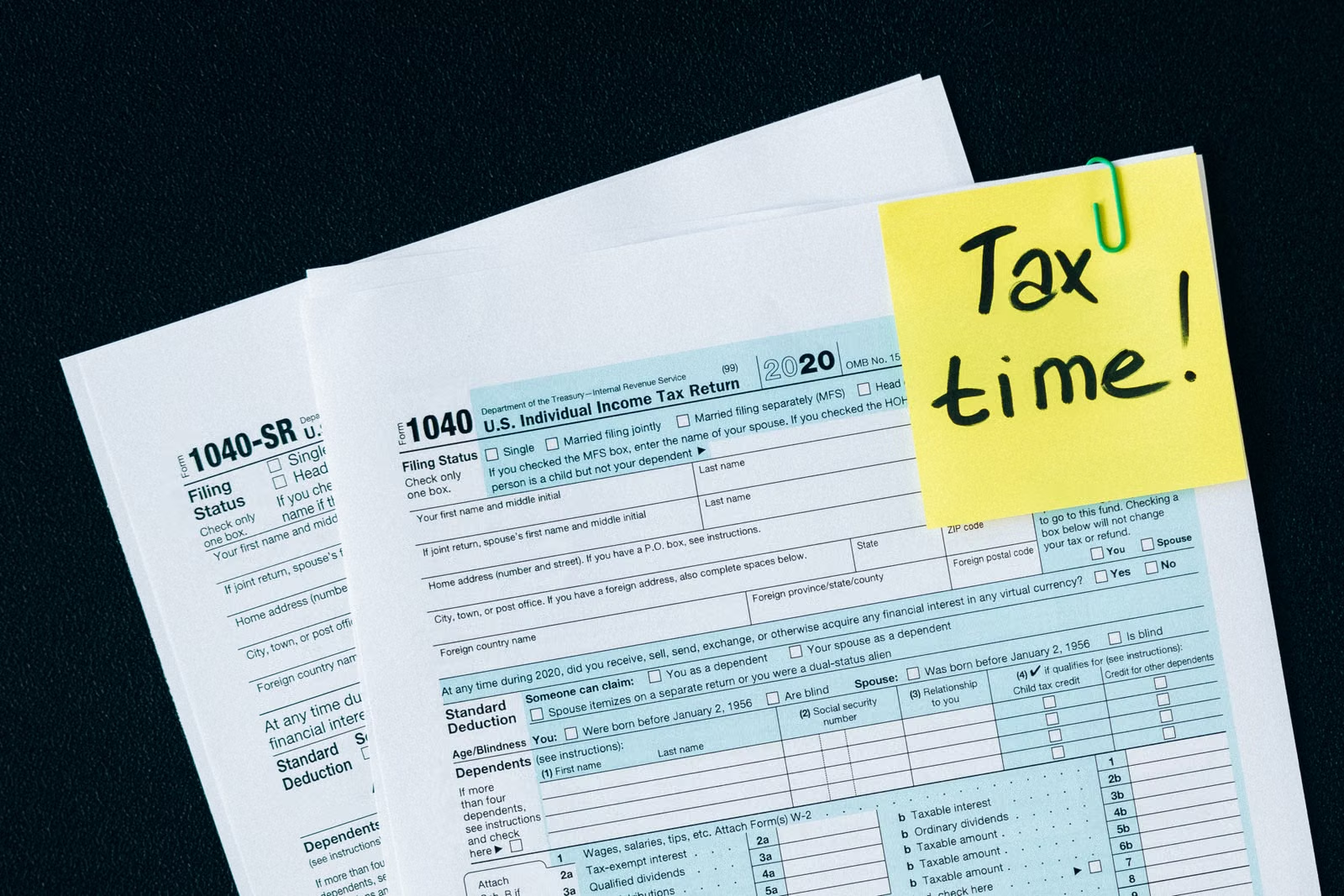
Starting a cleaning business in the US requires understanding the foundational legal and operational steps, including what licenses are needed to start a cleaning business. Many aspiring entrepreneurs are eager to jump into the market, but overlooking critical aspects like proper business registration, necessary permits, and adequate insurance can lead to significant headaches and financial penalties down the road. This guide cuts through the noise, offering a practical roadmap for launching a legitimate and sustainable cleaning service. We will cover everything from defining your specific service niche and calculating realistic startup costs to navigating the often-confusing landscape of licenses, permits, and insurance. By addressing these practicalities head-on, you will be better equipped to establish a solid foundation, attract your first clients, and build a profitable business. Our focus here is on actionable advice, specific dollar figures, and clear expectations for new owner-operators.
In this guide
- Define Your Cleaning Service Niche
- Realistic Startup Costs for a Cleaning Business
- Licenses, Permits, and Insurance: The Legal Foundation
- Essential Equipment and Supplies List
- Pricing Your Cleaning Services Realistically
- Getting Your First 10 Customers
- Common Mistakes and FAQs for New Cleaning Business Owners
- Key takeaways
- FAQ
Define Your Cleaning Service Niche
Before delving into what licenses are needed to start a cleaning business, pinpointing your exact service offering is crucial. The cleaning industry is diverse, ranging from general residential cleaning to specialized commercial contracts. General residential cleaning might include dusting, vacuuming, mopping, and bathroom sanitation. Commercial cleaning often involves larger spaces like offices, retail stores, or medical facilities, with different equipment and compliance standards. Consider also niche services such as move-in/move-out cleaning, post-construction cleanup, window washing, or eco-friendly cleaning. Each niche attracts a different clientele and requires a specific marketing approach. For instance, targeting real estate agents for move-out cleanups differs significantly from bidding on janitorial contracts for local businesses. Specializing allows you to become an expert, streamline your operations, and differentiate yourself in a competitive market. This clarity will also inform your equipment purchases, insurance needs, and ultimately, your pricing strategy.
Realistic Startup Costs for a Cleaning Business
Funding your cleaning business takes careful planning. Expect initial costs to range from $1,500 to $5,000, varying based on your chosen niche and initial scale. Key expenses include business registration fees (around $50-$300, depending on your state and business structure), essential cleaning supplies ($300-$700 for a starter kit of disinfectants, mops, vacuums, and microfiber cloths), and insurance premiums ($500-$1,200 annually for general liability). Marketing costs, such as creating a simple website or printing flyers, could add another $200-$500. Don't forget transportation costs; reliable vehicle maintenance and fuel are ongoing expenses. If you plan to hire staff immediately, add costs for background checks, initial training, and payroll software. Starting lean is possible, but allocate sufficient funds for professional appearance and reliable equipment to build trust with your first clients. A buffer of $500 for unexpected costs is always wise.
Data table
Initial Startup Cost Breakdown for a Basic Cleaning Business
| Expense Category | Estimated Cost Range ($) (Low) | Estimated Cost Range ($) (High) |
|---|---|---|
| Business Registration & Licenses | 50 | 300 |
| General Liability Insurance (Annual) | 500 | 1200 |
| Initial Cleaning Supplies & Equipment | 300 | 700 |
| Marketing & Website Basics | 200 | 500 |
| Transportation & Fuel (First Month) | 100 | 200 |
| Contingency Fund | 100 | 300 |
Licenses, Permits, and Insurance: The Legal Foundation
Understanding what licenses are needed to start a cleaning business is paramount. Most cleaning businesses operate as LLCs or sole proprietorships, requiring registration with your Secretary of State. This typically costs $50-$200. You'll need an Employer Identification Number (EIN) from the IRS, which is free. A general business license is often required by your city or county, usually costing $50-$150 annually. Some jurisdictions may require specific permits for operating a home-based business, so check local regulations. For insurance, general liability is non-negotiable; it protects against property damage or client injury, with annual premiums around $500-$1,200. If you have employees, workers' compensation insurance is mandatory in most states, adding another $400-$800 annually per employee. Review your state's Department of Labor requirements carefully. Bonding, while not always legally required, can enhance credibility for commercial contracts; this might cost $100-$300 annually.
Essential Equipment and Supplies List
A well-equipped cleaning business not only delivers better results but also operates more efficiently. For residential cleaning, start with professional-grade vacuums (upright and handheld, $200-$500), microfiber cloths (various colors for different areas, $50), mops and buckets ($30-$100), all-purpose cleaners, glass cleaners, bathroom disinfectants, and floor cleaners ($100-$200 for initial stock). Grout brushes, scrub pads, and extendable dusters are also useful. For commercial cleaning, you might invest in larger industrial vacuums, floor buffers, and specialized chemicals for different surfaces, potentially increasing your initial equipment spend by a few thousand dollars. Always use high-quality, professional-grade products; they last longer and provide superior results, justifying their slightly higher cost over basic retail options. Regularly replenish supplies, budgeting $75-$150 monthly to maintain your inventory and avoid running out mid-job.
Chart
Breakdown of Initial Cleaning Business Startup Costs
Cost Category → Estimated Cost ($)
Pricing Your Cleaning Services Realistically
Pricing strategies need to cover your costs and generate profit. For residential cleaning, hourly rates range from $40-$75 per cleaner. Many businesses opt for flat-rate pricing based on square footage or number of rooms, which clients often prefer. A 2,000 sq ft home might cost $150-$250 for a standard clean. For commercial cleaning, rates vary widely. Office cleaning might be $0.05-$0.20 per square foot, or a monthly contract ranging from $500-$2,000 for regular services, depending on the size and frequency. Consider offering tiered packages: a basic clean, a deluxe clean (including interior windows or oven cleaning), and a premium clean (deep clean, full scrub-down). Clearly outline what's included in each tier to manage client expectations. Factor in travel time, supply costs, and your desired profit margin. Regularly review competitor pricing, but focus on the value you provide.
Getting Your First 10 Customers
Securing your initial clients is crucial for momentum. Start by leveraging your personal network. Offer discounted 'first-time' cleaning services to friends, family, and neighbors for reviews and testimonials. Online directories like Yelp and Google My Business are free and essential for local visibility; ensure your profile is complete with accurate service descriptions and photos. Local social media groups (Facebook, Nextdoor) are excellent for direct outreach; post about your services and special offers. Partnering with local real estate agents or property managers can provide a steady stream of move-in/move-out cleaning opportunities. Don't underestimate the power of physical flyers in targeted neighborhoods, especially if offering residential services. Aim for high-quality, professional flyers with a clear call to action and your contact information. Referrals are powerful, so incentivize satisfied clients to spread the word.
Common Mistakes and FAQs for New Cleaning Business Owners
Many new cleaning business owners underestimate the administrative effort involved beyond just cleaning. Neglecting proper bookkeeping, inadequate insurance coverage, or failing to obtain what licenses are needed to start a cleaning business are common pitfalls. Another mistake is underpricing services; while tempting to attract clients, this quickly leads to burnout and unsustainable operations. Not having a clear service agreement or contract can also result in client disputes. Avoid using low-quality equipment and supplies; it reflects poorly on your professionalism and increases replacement costs. Focus on consistent quality and client communication to build a reputable brand from day one. Staying organized with scheduling and client information is key to managing growth effectively. Always follow up after service to solicit feedback.
Key takeaways
- →Research and obtain all required local and state business licenses and permits before operating.
- →Secure comprehensive General Liability insurance; Workers' Compensation is likely needed if you hire employees.
- →Define your cleaning niche to tailor services, equipment, and marketing efforts effectively.
- →Start with a realistic budget ($1,500-$5,000) for essential equipment, supplies, and initial legal costs.
- →Price your services competitively, ensuring they cover costs and generate a sustainable profit margin.
- →Prioritize online presence (Google My Business, Yelp) and local networking for initial customer acquisition.
Frequently asked questions
Do I need a license to start a cleaning business?
Yes, almost every cleaning business needs a general business license from their city or county. Beyond that, state-specific requirements vary, but you will also need an EIN from the IRS. Some states or localities may require additional permits or certifications, especially for commercial contracts. Always check with your local Chamber of Commerce or small business administration office for specific requirements in your operational area to confirm what licenses are needed to start a cleaning business.
How much can I make owning a cleaning business?
Income for a cleaning business owner-operator can range from $30,000 to $70,000 annually in the initial years, depending on your hours, pricing, and client base. Businesses with employees and a solid marketing strategy can scale to much higher revenue. Profitability is directly tied to efficient management, client retention, and controlled expenses. Strategic growth and specialization often lead to higher earning potential.
Can I start a cleaning business with no money?
Starting with literally no money is challenging due to the need for insurance, basic supplies, and business registration. However, you can significantly minimize upfront costs by starting small. Focus on residential cleaning with basic supplies, leverage personal networks for first clients, and invest profits back into the business. Budget at least $500-$1,000 for essential legal steps and a basic toolkit.
What insurance is most important for a cleaning business?
General Liability insurance is the most critical. It protects you from claims of property damage or bodily injury to clients that occur during your operations. For example, if a cleaner breaks a client's vase or a client slips on a wet floor you just mopped, general liability covers the costs. If you hire employees, Workers' Compensation insurance is also legally mandatory in most states.
How do I get commercial cleaning contracts?
Securing commercial contracts requires a professional approach. Network with local business owners, building managers, and facility supervisors. Develop a polished proposal outlining your services, insurance, and experience. Consider specialized certifications for specific industries like healthcare or schools. Consistent follow-up and a strong reputation built on residential work can open doors to larger commercial opportunities. Bidding on local government contracts can also be an avenue.
What is an Employer Identification Number (EIN) and do I need one?
An Employer Identification Number (EIN) is a unique nine-digit number assigned by the IRS to identify businesses for tax purposes. You will generally need an EIN if you operate as a corporation, partnership, or LLC, or if you plan to hire employees. Even as a sole proprietor with no employees, getting an EIN can help separate your business finances from personal, and it's free to obtain directly from the IRS.
Try this in your city
Same playbook, localized for pricing, licensing, and demand in these markets:
Make it official and keep income steady
Tools for the paperwork step and for steady pay while your first customers come in.
Some links below are affiliate links. If you sign up or buy, LaunchLoop may earn a commission at no extra cost to you. It never changes what we recommend or how we rank anything. How this works.
Bizee forms your LLC and can add an EIN, registered agent and a virtual business address so your home address stays off public records.
Compare Bizee LLC packagesHarbor Compliance handles registered agent service and business license research for regulated work.
See Harbor Compliance registered agent
Keep a steady paycheck while your first customers come in. FlexJobs lists screened part-time, remote and freelance jobs, so you can build the business without giving up income.
Job listings from Careerjet.
Ready to turn this guide into a real launch?
Get a free, personalized launch plan for your finance & pricing business — your city, your budget, your first 30 days. Takes about 2 minutes.
Build my free plan